Why Math Matters: More Than Just Numbers
When students ask, “When will I ever use this in real life?”, they’re often thinking about formulas, procedures, or solving for x. It’s a fair question—and it deserves a better answer than, “Because you have to.”
The truth is, math is much more than just procedures and rules. At its core, math teaches us how to think. It sharpens our ability to analyze a situation, break a problem into parts, and consider different strategies. It helps us learn how to test an idea, recognize patterns, make logical arguments, and solve problems when there’s no obvious answer in sight.
These skills aren’t just for math class. They are life skills. Every time we manage a budget, plan a trip, interpret data, compare options, or troubleshoot something that isn’t working, we’re using the problem-solving and critical thinking skills that math helps develop.
In a world that’s constantly changing, the ability to think clearly, solve problems, and adapt to new challenges is more valuable than ever. Math builds that mindset.
So when we learn math, we’re not just learning how to do math—we’re learning how to approach life with logic, creativity, and confidence.
Understanding patterns, relationships with information, and using something to provide a possible prediction are other of the skills we can develop when learning math.
I remember one of my nephews who often complained about learning percentages and solving word problems. As an adult, he started his own business buying and selling goods and fulfilling customer requests. Today, he regularly uses percentages to calculate costs and profits, and relies on budgeting and forecasting to manage seasonal demand. When I remind him of his teenage complaints, he laughs—and now teaches his own children the value of learning math.
Many students claim they dislike math, not because they’re incapable of learning it, but because they’ve developed a fixed mindset. They resist stepping out of their comfort zones and often wait to be given answers instead of exploring different paths to solve problems. Math challenges them to think for themselves, and that discomfort can lead to growth—if they’re encouraged to embrace it.
Teaching math is not just about covering content like trigonometry or derivatives. It's about helping students understand the process: how to spot patterns, draw connections, think logically, and test solutions. Teachers play a crucial role in fostering these habits, and parents can support this by speaking positively about math and encouraging their children to practice and persist.
In the end, math is not just about solving equations—it's about learning how to think. And that’s a skill students will carry with them for life.

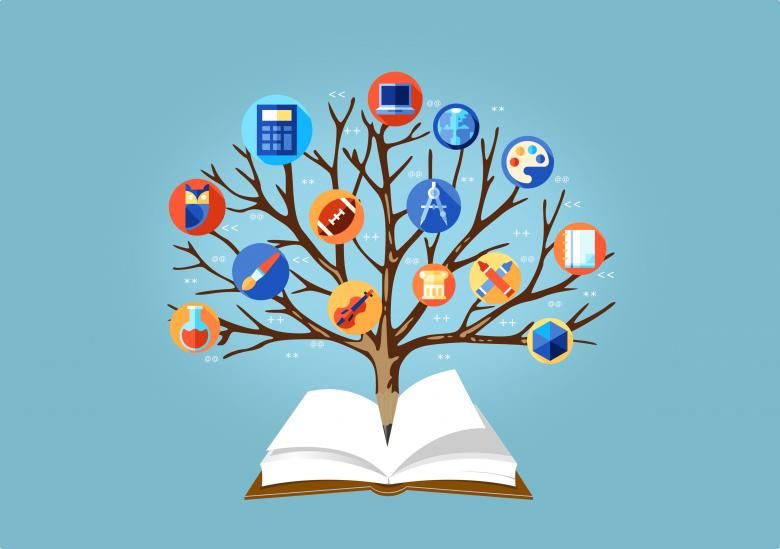
Image generated by AI under Creative Common License
- You are here:
-
Home

- Math